
Gary’s Story: ‘I’m a typical man...I thought it would go away'

After being impacted by the 2005 London bombings, Vitality member Gary accessed Talking Therapies to help him come to terms with the trauma he was experiencing years later. Here, he shares his story

Like a lot of men, when Gary’s mental health started to be affected by a traumatic event he’d experienced, he didn’t immediately deal with it. “I’m a typical sort of man” he says, “I thought it would go away”.
In July 2005 Gary found himself caught up in the London bombing, his office at the time located in Tavistock Square, the site of the bus bombing. Gary recalls that “four or five of us decided that we would stay and help people who were injured and had been brought into our reception area.”
In recent years, the UK has faced a growing mental health crisis, with rates of mental illness rising sharply across all age groups and genders.
According to the British Medical Association (BMA), since 2000 the percentage of adults aged 16-74 with a common mental disorder, who were accessing mental health treatment has risen from 23.1% to 47%. [1]
Vitality’s Britain’s Healthiest Workplace research meanwhile found that since 2014, anxiety and depression rates among UK workers had risen 75%.[2]
‘It got to the point where I realised I needed to do something’
As the years went on and having experienced regular flashbacks, Gary admits that he realised the events of that day were affecting him and impacting aspects of his life.
“Through conversations with my wife, we realised that it was bothering me, causing anger issues and causing me to be frustrated a lot of the time…I did speak to a counsellor in 2016, but I probably wasn’t as receptive to what they were trying to do. My approach was to just block it out, try not to think about it.”
Eventually Gary says, “it got to the point where I realised, I needed to do something about it. I can’t do this for another year, I had to find a way of dealing with it.”
‘I went on the app…it was really straightforward’
Gary accessed Talking Therapy through his Vitality Health plan, which provides members with a wide range of mental health support, from mindfulness apps and guided self-care to online sessions with qualified therapists.
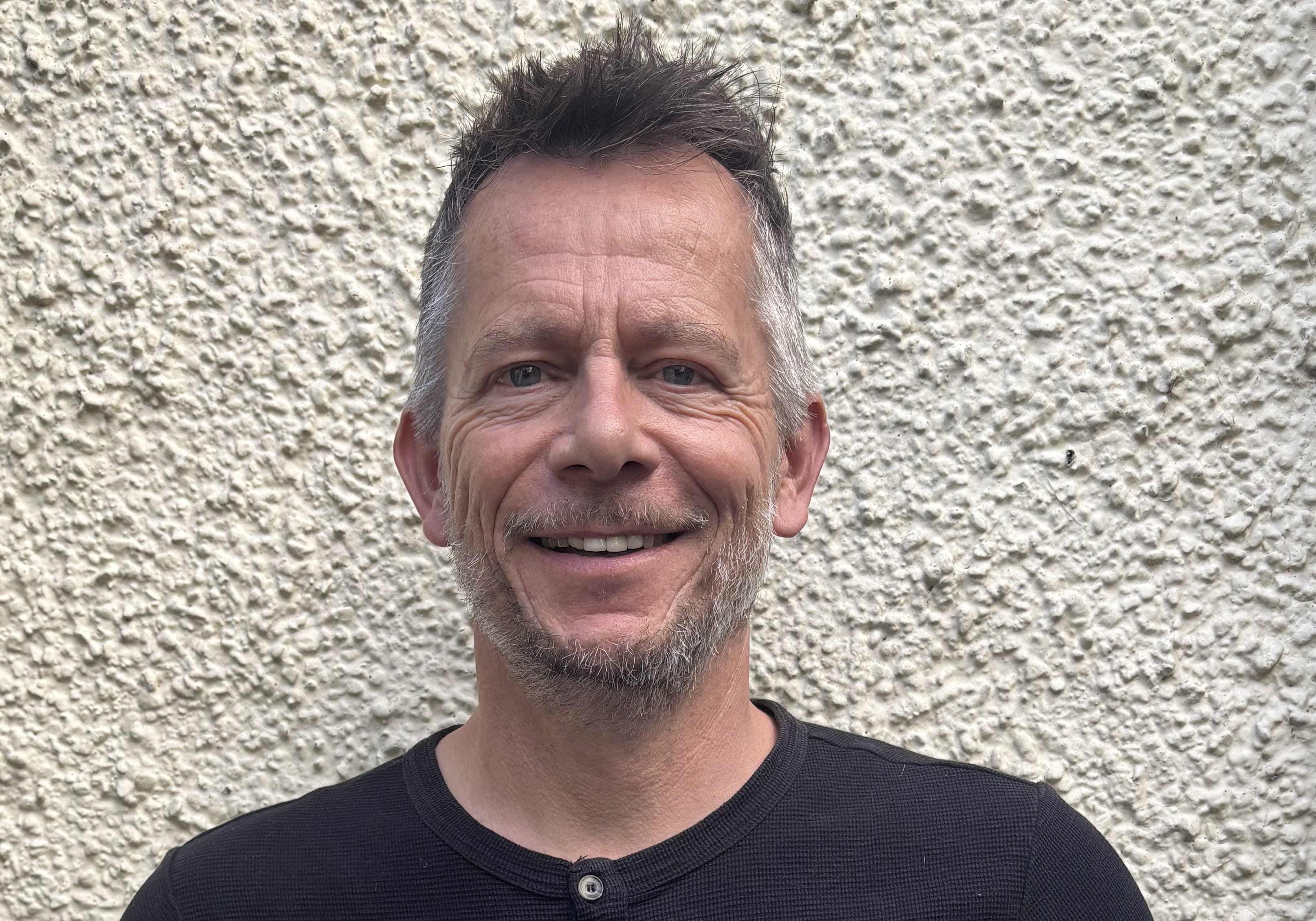
“I went on the app and it was really straightforward,” says Gary [pictured below],who started his claim via Care Hub through the Vitality member app and was matched with a counsellor specialising in PTSD.
Importantly, Talking Therapies are available to all Vitality members without underwriting, offering up to eight sessions per year regardless of medical history.
"Kat [the therapist] was able to help me tremendously. I began to see results relatively quickly"
Gary, Vitality member
Recent findings from the VitalityHealth Claims Insights Report 2025 highlight the impact of timely access to mental health support. In 2024, 92% of members were seen by a therapist within five days of their initial appointment, and 81% reported measurable improvements in their mental health after completing treatment.[3]
Despite a 167% rise in Talking Therapy claims since 2019, outpatient claim rates have dropped by 17%, while inpatient and day-patient claims have reduced by 41%3—underscoring the effectiveness of early intervention.
‘I began to see results relatively quickly’
Through regular sessions with the therapist, Gary began to process the events of that day. “We pieced together the timeline in my head. We then worked our way through the parts that were more challenging for me.”
Kat, his therapist, used a technique that helped Gary reframe the trauma. “We’d talk about it in the past tense. It trained my brain to think of it in the past. I can now ‘file it away’ in my brain.”
Being able to do the therapy via video, from the comfort of his home also had a positive impact for Gary. “I knew I was sat here in my home office. I've got one of the cats on the window. I can look out. I can see people walking by.”
“I was grounded. I was going back to that day, but I knew I was here at home, a safe space”, he adds.
Gary describes how he “began to see results relatively quickly” and that Kat (the therapist) was able to help him “tremendously”.
‘Overall, it’s been a very positive outcome’
For Gary, seeking that support has made a big difference, helping him to address the trauma of that day and move on with his life.
“I don’t have flashbacks anymore. I was able to watch a documentary about it earlier in the year, which I wouldn’t have been able to do this time last year.”
“Overall, it’s been a very positive outcome” he says, adding that “I'm very keen on encouraging people to talk about it where they can, in the spirit of openness.”
Find out more about how Vitality's Health Insurance can provide your clients with a range of mental health support, alongside fast access to seamless end-to-end treatment and preventative lifestyle support:
[1] British Medical Association - Mental Health Pressures in England, accessed November 2025
[2] 10 years of Britain's Healthiest Workplace: The changing face of the UK at work, 2025
[3] VitalityHealth Claims Insights Report 2025

VitalityHealth Claims Insights Report 2025
In our 2025 VitalityHealth Claims Insights Report, we consider how consumer needs are changing, and how insurers - and advisers - are adapting to deliver the best possible outcomes for our clients, within a fast-changing environment.
Recent articles

Five things you need to know about the Vitality Programme launch
Hot on the heels of the latest Vitality Programme launch, Justin Garbutt, Director of IFA Distribution, shares his key takeaways for advisers


Four simple steps to comprehensive mortgage protection advice
With homeowners continuing to feel the pinch against a challenging economic backdrop, Justin Garbutt, Director of IFA Distribution at Vitality, gives his tips to offering the most comprehensive mortgage advice possible

Dr Rishi Patel: ‘A joined-up approach to cancer screening is the answer’
Vitality’s Clinical Operations Director explains the critical role that cancer screening can play in early detection and improved treatment outcomes, and why joined-up care pathways are key
.png?rev=eaec4e31e03740b584885562b84b459f&h=581&w=600&la=en&hash=A8F2E4F7537010226B7DA4C9EDE9A8FA "Headshot Rishi Patel")